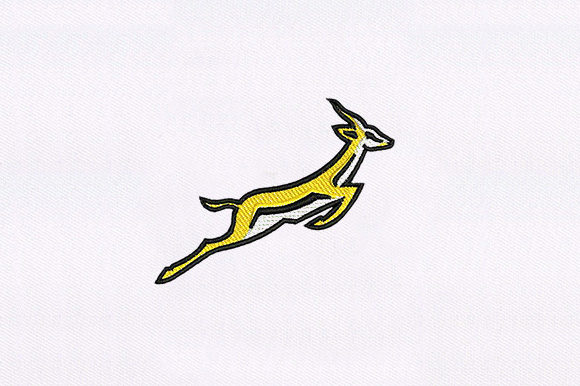
Jumping Deer Embroidery Design
The Jumping Deer embroidery design offers a versatile and visually appealing option for small business owners, crafters, and apparel decorators looking to add a woodland-themed element to their merchandise. As an experienced embroidery designer, I’ve evaluated this design with a focus on its practicality, visual appeal, and suitability for various commercial applications.
First Impressions of Jumping Deer
From the moment you see the Jumping Deer design, it exudes a sense of natural elegance and rustic charm. The silhouette of a deer mid-leap captures movement and energy, making it ideal for brands that want to convey a sense of freedom, nature, or adventure. The design feels professional yet approachable, striking a balance between bold and refined. It’s not overly decorative, which makes it adaptable to a wide range of brand aesthetics—from handmade product lines to more polished commercial embroidery projects.
As a machine embroidery design, Jumping Deer is well-structured and clean, with clear outlines and minimal unnecessary detail. This makes it easy to adapt for different fabric types and project sizes. Whether used as an embroidered patch, a chest logo, or a sleeve accent, it maintains its visual integrity without becoming too busy or overwhelming.
Real Business Use of Jumping Deer
For small business merch, custom apparel, and branded patches, Jumping Deer proves to be a reliable choice. Its simplicity allows it to work well on caps, tote bags, and work shirts, where clarity and readability are key. When used as a patch, it can be sewn onto jackets, backpacks, or even aprons, adding a subtle yet meaningful touch to staff uniforms or customer gifts.
One of the strengths of this design is its flexibility. It can serve as a standalone emblem or complement other design elements in a branding strategy. For instance, a boutique or café could use it as a label on product packaging, while a handmade shop might incorporate it into printable mockups for Etsy listings. Its versatility also makes it a great asset for event merch, where quick turnaround and consistent quality are essential.
In terms of stitch density, Jumping Deer appears to be well-balanced. It doesn’t require excessive stitches, which helps reduce production time and material costs. However, it’s important to note that the actual performance may vary depending on the chosen file format and hoop size. Always test the design at smaller scales before committing to large-scale production.
Where to Use Jumping Deer Carefully
While Jumping Deer is generally effective, there are certain situations where caution is advised. On small patch sizes, the details may become too compressed, leading to a loss of definition. Similarly, when used on curved surfaces like cap fronts, the design may need slight adjustments to maintain its intended shape and proportions.
If the design includes tiny lettering or intricate outlines, it’s worth testing it on textured fabrics or dark uniforms, where contrast and visibility are critical. High stitch density can sometimes cause puckering or distortion, especially on delicate materials. Using the right stabilizer and proper hoop size will help ensure a smooth and professional finish.
For businesses that require frequent washing, it’s wise to evaluate how the design holds up over time. A well-executed embroidery should remain intact through multiple wash cycles, but this depends on the thread colors, fabric type, and finishing techniques used.
Impact on Brand Identity and Customer Perception
Jumping Deer has the potential to enhance brand identity by offering a unique and memorable visual element. When used consistently across merchandise, it can increase recognition and build trust among customers. A well-designed embroidered patch or logo contributes to a sense of professionalism and quality, which is essential for small businesses aiming to stand out in a competitive market.
For handmade products, the design adds a touch of craftsmanship and authenticity. It complements the aesthetic of artisanal goods while maintaining a level of polish that appeals to a broader audience. In commercial embroidery projects, Jumping Deer can serve as a signature element that reinforces brand values and visual consistency.
When used in conjunction with other design assets, such as logos or typography, Jumping Deer can create a cohesive look that strengthens the overall brand image. It’s also an excellent tool for engaging buyers, as it provides a tangible and visually appealing representation of a business’s personality and style.
Practical Tips for Embroidery Designers
Before finalizing any project involving Jumping Deer, I recommend starting with a black-and-white test. This will help identify any issues with contrast, spacing, or detail that may not be immediately apparent in color. Testing the design at a small patch size is also crucial, as it can reveal whether the details are still visible and legible at reduced dimensions.
Reviewing thread color contrast is another key step. Depending on the fabric color, certain hues may not stand out as expected. Ensuring that the design works well with the intended fabric and thread choices will prevent costly rework later on.
Checking the hoop size and confirming that the design fits within it is essential for efficient production. If the design requires a larger hoop, it may affect the workflow and increase the risk of errors. Always use the appropriate stabilizer for the fabric type to prevent shifting or distortion during stitching.
Creating a printable mockup for client approval can save time and avoid misunderstandings. Comparing Jumping Deer with other design assets will also help ensure visual harmony and consistency. Finally, before using the digital embroidery file for commercial purposes, verify the licensing terms to avoid any legal complications.
Conclusion
Jumping Deer is a solid machine embroidery design that offers both aesthetic appeal and practical functionality for small business owners and embroidery professionals. Its clean lines, balanced composition, and adaptability make it suitable for a wide range of applications, from branded patches to custom apparel. With careful consideration of fabric, hoop size, and stitch density, it can elevate a business’s visual presence and reinforce its brand identity.