Hair Dryer Embroidery Design for Boutique Apparel
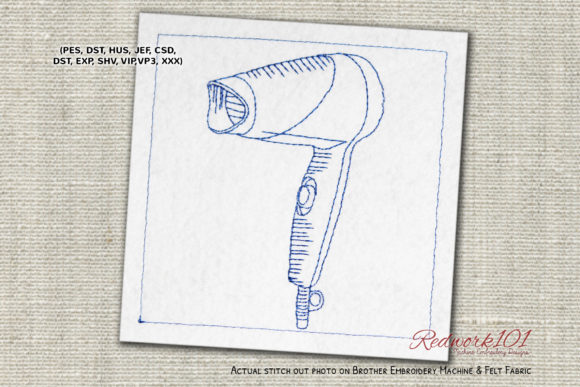
As an embroidery designer who has stitched thousands of garments for boutique brands and small shops, I have learned to evaluate a digital embroidery file with a critical eye long before it touches the needle. When I first came across the Hair Dryer machine embroidery design on Creative Fabrica, I was curious how a bathroom-themed motif would translate onto apparel. The product description notes that the Box Stitch shown in the picture is optional and that the outer box color can be skipped if it is not part of the design itself. That detail immediately told me the designer built in flexibility, which is a quality I value when planning a cohesive collection. After testing this design on several garment types, I want to share my honest assessment for fellow apparel decorators, Etsy sellers, and boutique brand owners who are considering adding this piece to their lineup.
First Impression and Visual Personality
The Hair Dryer design presents a playful, clean, and slightly retro mood that feels more charming than kitschy. The silhouette is recognizable without being overly cartoonish, which makes it suitable for both casual sweatshirt embroidery and more polished tote bag projects. The optional Box Stitch adds a subtle framing element, but I appreciate that you can omit it entirely for a standalone look. The overall aesthetic leans toward feminine and trendy with a touch of vintage salon nostalgia, yet it remains minimal enough to pair with modern apparel. For a boutique brand targeting customers who love whimsical lifestyle imagery, this design hits a sweet spot between decorative and wearable.
When I previewed the embroidery file against different fabric textures, I noticed the stitch density appears moderate. The hair dryer body has enough fill to feel substantial on a hoodie, while the handle and nozzle areas use lighter stitching that should not distort lighter fabrics. The thread colors in the sample suggest a palette that works well with neutral and pastel backgrounds, though I would recommend testing your own color substitutions to match your brand identity. The overall mood is cheerful and approachable, which aligns well with handmade product lines that emphasize personality and comfort.
Performance on Sweatshirts, Hoodies, and T-Shirts
For sweatshirt embroidery, the Hair Dryer design holds up nicely on medium-weight fleece and cotton blends. I placed a test stitch on a cream crewneck sweatshirt using the optional Box Stitch in a soft blush tone, and the result felt balanced without overwhelming the garment. The design sits well at chest height, approximately four inches from the neckline, and the proportions work for both adult and youth sizes. On hoodie design projects, I found the embroidery file adapts well to the front center position, but it also shines as a small sleeve accent near the cuff or shoulder. The box outline, when used, adds a structured boundary that helps the design read clearly on busy or textured fabrics.
On custom apparel like t-shirt embroidery, the lighter stitch areas require careful stabilizer choice. I recommend a tear-away stabilizer for stable woven fabrics and a cut-away stabilizer for knits and stretchy materials. The stitch density is not excessive, but I still advise a test stitch on a garment similar to your final product. On a lightweight cotton t-shirt, the design sat flat without puckering, and the optional Box Stitch did not add noticeable stiffness. For hoodie design with a thicker fleece interior, the hoop size needed to accommodate the design borders is modest, so even smaller hoops should work. Always confirm your specific hoop size requirements by measuring the design dimensions in your software before cutting fabric.
Placement Considerations for Boutique Apparel
When planning sweatshirt embroidery placements, I consider how the Hair Dryer design interacts with the garment silhouette. For small chest placement on a unisex hoodie, centering the design about three inches below the collar bone creates a natural focal point. On oversized garments, you can scale the design slightly larger for a bold statement, but I recommend keeping the proportions within the stitch density limits of the original file. The design also works well as a back design on denim jackets, positioned between the shoulder blades, where the optional Box Stitch can act as a frame that draws the eye.
Be mindful of dense stitch areas on stretchy fabric or ribbed fabric. The hair dryer body contains the most fill, and if you place it over a seam or a curved surface like a raglan sleeve, you may need to adjust the stabilizer to prevent distortion. On dark garments, consider using a white or light-colored underlay to ensure the thread colors pop. The design does not contain tiny lettering, so readability is not an issue, but always check the fabric texture before committing to production. For curved surfaces like the front of a snap-front cardigan, test the design on a scrap piece first to see how the stitch density behaves around the button placket.
Value for Brand Identity and Customer Engagement
Using the Hair Dryer embroidery design on your custom apparel can elevate your brand's visual identity if you are targeting a playful, lifestyle-oriented audience. A boutique brand that sells salon-themed merchandise, spa gift sets, or cozy homewear will find this design aligns naturally with their story. The finished product feels premium when stitched with quality thread and proper stabilization, and customers often perceive embroidered items as higher value than screen-printed alternatives. This perception directly supports buyer trust and product recognition in a crowded marketplace.
For Etsy seller listings, featuring the Hair Dryer design on a pastel hoodie or a neutral sweatshirt creates strong printable mockup opportunities. The design photographs well because its clean lines and optional box frame give it structure even in flat lay images. When you include the design in your social media graphics, the whimsical nature of the motif encourages engagement from customers who appreciate handmade, personality-driven apparel. Small shop product lines that consistently use a recognizable motif like this one build visual consistency across their catalog, which helps professional presentation and encourages repeat purchases.
I also see potential for commercial embroidery applications in boutique merchandise for salons, gift shops, and lifestyle brands. The Bathroom category of the design does not limit its appeal; rather, it gives the piece a specific niche that can differentiate your brand from generic floral or monogram offerings. When customers see a carefully embroidered Hair Dryer on a tote bag or a denim jacket, they recognize the thoughtfulness behind the product. This kind of customer engagement builds loyalty and word-of-mouth referrals, which are essential for handmade product businesses.
Practical Embroidery Designer Notes
Before you start production on your sweatshirt embroidery or hoodie design project, I recommend the following steps. First, test on scrap fabric that matches your garment material to check stitch density and thread color contrast. The design may look different on a dark fleece versus a light cotton, so confirming the visual balance early saves time and material. Second, check stabilizer choice based on your fabric weight. For fleece and sweatshirt knits, a cut-away stabilizer provides the necessary support, while a tear-away may suffice for tote bags or denim.
Third, confirm hoop size by loading the embroidery file into your software and reviewing the dimensions. The design should fit comfortably within your hoop without crowding the edges. Fourth, inspect stitch density in the original file; if you notice any areas that seem too dense, consider reducing the density slightly in your software to avoid fabric distortion. Fifth, test on similar garment fabric to the one you plan to sell. A design that works on a structured cotton sweatshirt may behave differently on a stretchy ribbed cuff or a curved raglan sleeve.
Sixth, compare placement options on different garment sizes. The Hair Dryer design may need to be scaled for toddler sizes versus adult sizes, and the optional Box Stitch can help define the design when placed on a busy pattern. Seventh, review Creative Fabrica product details and licensing terms before selling finished apparel. The product description mentions that the Box Stitch is optional and that the outer box color can be skipped, which gives you flexibility in color selection. Make sure you understand what is allowed for commercial embroidery use, especially if you plan to sell items featuring the design.
Finally, check thread color contrast against the garment color. A light Hair Dryer on a dark background will pop, but a similar tone on a pastel garment may need a darker outline or a contrasting box to remain visible. The optional Box Stitch can serve as a visual boundary that helps the design read clearly, especially on lighter fabrics. If you choose to skip the outer box, ensure the hair dryer silhouette has enough internal detail to hold its shape visually.
Final Thoughts on the Hair Dryer Design
The Hair Dryer machine embroidery design from Creative Fabrica offers a versatile and charming option for boutique apparel projects. Its playful yet clean aesthetic works well on sweatshirt embroidery, hoodie design, t-shirt embroidery, tote bag design, and denim jacket applications. The optional Box Stitch feature gives you creative control over the final look, and the moderate stitch density makes it suitable for a range of fabric types when proper stabilization is used. For Etsy seller and small shop product owners, this design can strengthen brand identity, improve product recognition, and enhance professional presentation in your online store. As with any digital embroidery file, I recommend testing thoroughly before production, but the Hair Dryer design has earned a place in my own project planning for the upcoming season.