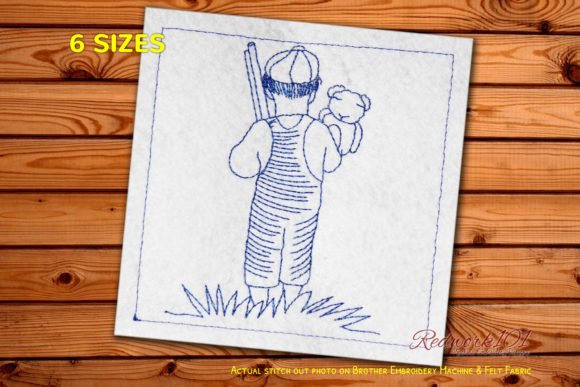
Hunter with Teddy Bear: A Design Review for Small Business Merch
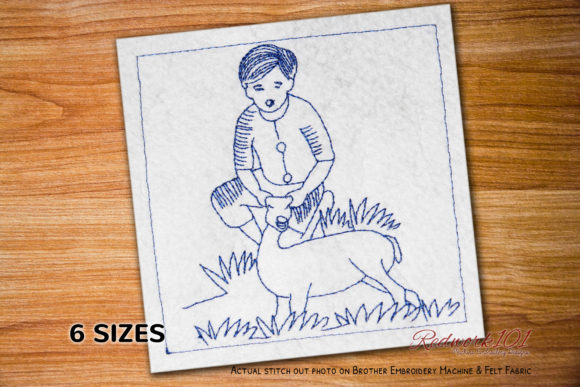
When I first opened the embroidery file for Hunter with Teddy Bear, I was immediately struck by its narrative quality. This is not a generic outline or a simple motif. It feels like a handmade product with a story, and that is exactly what small business owners need when they are trying to build brand identity through custom apparel and embroidered patch programs. As an embroidery designer who has reviewed hundreds of machine embroidery design files for commercial use, I can tell you that this design occupies a unique space between rustic charm and professional polish. It is the kind of digital embroidery file that makes you want to test it on a cap, a tote bag, and an apron all at once.
Before I get into the technical details, let me set the scene. Imagine a local café that roasts its own coffee, a boutique that sells outdoor gear, a handmade soap company, or a florist who wants to offer branded totes. Hunter with Teddy Bear could easily become a signature emblem for that kind of business. It has a warmth that feels personal, yet it is structured enough to hold its own on a uniform or a patch. The optional Box Stitch mentioned in the description is a nice touch, but I always advise clients to test it both ways. Sometimes the box adds a frame that helps the design sit neatly on a cap front or a chest pocket. Other times, the design breathes better without it. The choice depends entirely on your finished product and the fabric you are using.
First Impressions: What Hunter with Teddy Bear Communicates to Your Customers
From a designer's perspective, the first thing I notice is the emotional tone. Hunter with Teddy Bear leans into a friendly, rustic, and handmade aesthetic. It does not try to be sleek or corporate, which is a strength for small businesses that want to feel approachable. The pairing of a hunter figure with a teddy bear suggests protection, companionship, and a love for the outdoors. This is Work category embroidery, but it does not feel cold or mechanical. It feels like something you would see on a well-loved apron at a bakery or on the cap of a barista who knows your name.
For brand identity, this design communicates loyalty and care. If you are a pet brand, a children's boutique, or a creative studio that wants to emphasize a nurturing vibe, this embroidery file gives you a visual anchor. It is not overly detailed, which means it translates well to small patch sizes. I have seen similar designs lose their impact when scaled down, but Hunter with Teddy Bear holds its shape because the main elements are distinct. The hunter and the bear are clearly separated, so the eye knows where to look. That is a sign of good digitizing from the start.
Real-World Performance in Patches, Apparel, and Branded Goods
When I review a machine embroidery design for business use, I think about how it will perform across different products. Hunter with Teddy Bear is versatile enough to work on several formats, but each format requires a slightly different approach.
- Embroidered patches: This is where the design shines. The optional Box Stitch can act as a border, giving the patch a finished edge. If you are producing patches for small business merch, test the box stitch in a contrasting color. The description notes that the outer box color can differ from the design itself, so use that to your advantage. A dark brown box with a light beige interior, for example, can make the design pop against a denim jacket or a canvas tote.
- Cap embroidery: Cap fronts are curved and limited in space. Hunter with Teddy Bear works best on a structured cap if you keep the design under 3.5 inches wide. The hunter and teddy bear pair well as a left-side or center-front emblem. Avoid placing it too high, or the curve will distort the bear's face.
- Apron embroidery: For aprons, this design feels right at home. A bakery or a coffee shop could use it as a chest accent on a cotton apron. The stitch density is moderate enough that it will not pull or pucker on medium-weight fabrics. I recommend using a cutaway stabilizer for aprons to keep the edges crisp after repeated washing.
- Tote bag design: Tote bags are often made of cotton canvas or polypropylene. Hunter with Teddy Bear works well on canvas because the fabric can handle the stitch count. On thinner tote bags, you may need a heavier stabilizer to prevent show-through. Test a sample before committing to a bulk run.
- Work shirts and uniforms: If you are branding staff uniforms, this design adds a personal touch without looking unprofessional. It is not too large, so it works as a left chest logo or a sleeve detail. For uniform programs, consistency is key, so order a test patch first.
For Etsy sellers and handmade brands, this design can be part of a larger set of design assets. You could create a matching patch, a cap, and a tote bag, all with the same motif. That kind of visual consistency builds recognition and customer trust. Printable mockups are a great way to show clients how the design will look before you stitch it. I always create a mockup for client approval, especially when the Box Stitch is optional.
Where to Use Hunter with Teddy Bear with Care
Not every product is a perfect fit for every design, and Hunter with Teddy Bear has a few considerations that small business owners should keep in mind.
- Small patch sizes: If you plan to use this design as a tiny patch on a cap or a collar, scale it carefully. The hunter and the teddy bear need enough space to maintain their shapes. Below 2 inches, the details may blur. Always test at the actual production size before approving.
- Curved surfaces: Cap fronts and curved backpack panels can distort the design. The Box Stitch, if used, may pull unevenly on a curve. I recommend using a floating stabilizer technique and a smaller hoop for curved surfaces.
- High stitch density areas: Some parts of the design may have denser stitching, especially around the hunter's outline or the bear's ears. On thick fabrics like fleece or wool, this is fine. On thin or stretchy fabrics, it can cause puckering. Use a quality stabilizer and test on a scrap piece first.
- Dark uniforms: If your staff wears dark uniforms, choose thread colors that contrast well. A dark green or navy design on a black shirt will disappear. Light beige, khaki, or white thread colors work best on dark backgrounds. The Box Stitch can also help define the edge if the contrast is low.
- Frequent washing: Items like aprons, work shirts, and tote bags get washed often. Hunter with Teddy Bear holds up well if you use a quality stabilizer and avoid overly long stitches. The design does not have tiny, fragile details that are prone to breaking, which is a good sign for commercial use.
For event merchandise or limited-run products, this design can be a strong choice. It feels special without being trendy, so it will not look dated after one season. That is important for small businesses that invest in inventory and want their finished product to have a long shelf life.
How This Design Shapes Brand Identity and Customer Trust
Every time a customer sees your logo on a cap, an apron, or a patch, they are forming an impression. Hunter with Teddy Bear tells a story of care, tradition, and authenticity. It is not a cold corporate logo. It is a visual that invites conversation. For a small café, a florist, or a handmade product brand, that warmth translates directly into customer trust.
When I work with apparel decorators and merch creators, I always emphasize that brand identity is not just about colors and fonts. It is about the feeling your products evoke. Hunter with Teddy Bear evokes a sense of protection and companionship. If your business values align with those ideas, this design will reinforce your message every time someone wears it.
For product packaging accents, a small embroidered patch with this design can elevate a simple box or bag. Imagine a handmade soap wrapped in kraft paper with a small patch tied on with twine. That is the kind of detail that makes customers feel they are buying from a real person, not a faceless company. Commercial embroidery projects like these build loyalty and word-of-mouth marketing.
If you are selling digital embroidery file designs to other small businesses, Hunter with Teddy Bear is a strong addition to your catalog. It appeals to buyers who want something meaningful but not overly sentimental. It is also versatile enough to work across multiple product categories, from apron embroidery to cap embroidery to tote bag design.
Practical Embroidery Notes Before You Stitch
Before you commit to a production run, here are the steps I recommend to every small business owner who wants to use Hunter with Teddy Bear for merchandise.
- Test it in black and white first. Strip away the color and look at the design purely as a silhouette. This will tell you if the shapes are clear and balanced. If the black and white version is hard to read, the full color version will be even more confusing.
- Check if it works at small patch size. Hoop up a sample at the size you plan to use. If the bear's features or the hunter's outline become muddy, consider enlarging the design or simplifying the details.
- Review thread color contrast. Choose thread colors that stand out from your fabric. A light design on a dark background works best. Avoid using thread colors that are too close to the fabric color, or the design will disappear.
- Inspect spacing and density. Make sure there is enough space between the hunter and the bear. If the design feels crowded, it may cause thread breaks or distortion. The stitch density should be moderate enough to allow the fabric to breathe.
- Confirm hoop size. Check the hoop size required for the design at your intended dimensions. If you are using a smaller hoop, make sure the design fits comfortably without being squeezed.
- Test on real fabric. Do not rely on a digital preview alone. Stitch the design on the actual fabric you plan to use. Different fabrics behave differently, and a test stitch will reveal any issues with tension, puckering, or thread breakage.
- Use proper stabilizer. For most applications, a cutaway stabilizer is the safest choice. For stretchy or thin fabrics, use a tearaway or water-soluble stabilizer on top to prevent the stitches from sinking into the fabric.
- Create a mockup for client approval. If you are producing merchandise for a client, show them a printable mockup before you stitch. This prevents misunderstandings and ensures everyone is happy with the placement and color.
- Compare it beside other design assets. If you have other logos or motifs, place Hunter with Teddy Bear next to them to see if the styles match. Consistency across your design assets builds a stronger brand.
- Confirm commercial licensing before business use. Always check the license terms of the embroidery file to ensure you are allowed to use it for commercial products. If you are unsure, contact the seller. This step protects your business and your customers.
In conclusion, Hunter with Teddy Bear is a thoughtful, versatile machine embroidery design that can serve a wide range of small business needs. It is not overly complex, which makes it practical for production, but it has enough character to feel special. Whether you are stitching it onto a patch for a local café, adding it to a cap for a creative studio, or using it as a tote bag design for a handmade brand, this design delivers a warm, professional result. Take the time to test it properly, and you will have a finished product that your customers will love to wear and share.