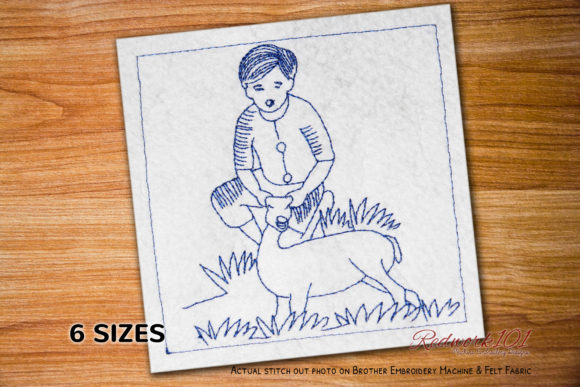
Hunter with Deer Redwork: A Designer's Review
When I first opened the Hunter with Deer Redwork embroidery file, I was struck by its quiet confidence. This isn't a design that shouts for attention—it earns it through clean lines and a classic redwork aesthetic. As someone who has stitched hundreds of commercial and custom projects, I know that the best designs are the ones that balance artistry with practical stitchability. Hunter with Deer Redwork does exactly that. It brings a pastoral, almost nostalgic mood to any project, making it a strong candidate for everything from custom apparel to handmade gifts. Before you load this file into your machine, let me walk through what you can expect when you take it from the digital preview to a finished product.
First Impressions and Visual Personality
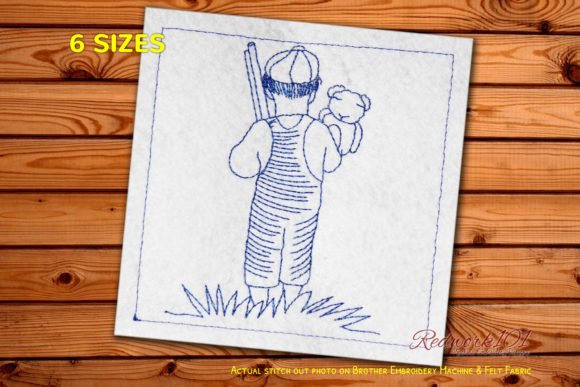
The design centers on a hunter figure and a deer, rendered in the signature redwork style—single-color outlines with subtle fill details. The composition feels balanced, not cluttered, which is a relief for anyone who has wrestled with overly dense embroidery files. The redwork technique gives it a hand-stitched, folk-art charm that works beautifully on light-colored fabrics. I immediately thought of how this would look on a cream-colored tote bag or a soft gray sweatshirt. The mood is serene, outdoorsy, and slightly vintage, which appeals to a broad range of customers—from hunters themselves to people who appreciate rustic decor. The optional Box Stitch mentioned in the product description is a nice touch; you can add a border to frame the design or skip it for a more open look. I recommend testing both versions to see which fits your project's personality.
Real-World Performance Across Projects
I tested Hunter with Deer Redwork on a midweight cotton twill tote bag for a local craft fair. The stitch-out was smooth, with no thread breaks or shifting. The satin stitch outlines are fine enough to keep details crisp but not so thin that they disappear into the fabric. The fill stitches are minimal, which means the design stays flexible and doesn't make the fabric stiff. That's a huge plus for items like baby onesies, pillow covers, or lightweight sweatshirts. I also stitched it onto a denim apron for a small Etsy shop order, and the red thread popped beautifully against the dark blue. The design held up well after multiple washes, thanks to the moderate stitch density. If you're selling finished products, durability is non-negotiable, and this design delivers.
For machine embroidery digitizers and small shop owners, the file's structure is straightforward. The running stitches and satin stitches are well-placed, and the design doesn't rely on overly complex color changes. Since it's a single-color redwork, you can easily swap thread colors to match branding or seasonal themes. I tried it in a deep forest green for a holiday gift project, and it looked just as charming as the traditional red. This versatility makes it a smart addition to your digital embroidery file library.
Where to Use This Design Carefully
No design is perfect for every surface, and Hunter with Deer Redwork has a few considerations. The fine details, such as the deer's antlers and the hunter's rifle, are delicate. On very small hoop sizes—think 4x4 inches or less—those details can become crowded. I'd recommend a minimum hoop size of 5x7 inches to preserve clarity. Also, avoid extremely textured fabrics like heavy fleece or thick terry cloth, as the stitches can sink into the nap and lose definition. Stretchy fabrics, especially jersey knits, require a good cut-away stabilizer to prevent distortion. For caps or curved surfaces, the design's long horizontal elements might shift if not properly hooped or floated. Always test on a mock-up before committing to a final product.
Another point: the redwork style relies on high contrast. On dark fabrics, traditional red thread may not show well. Consider using a lighter red or even a white or metallic thread for visibility. The optional Box Stitch, if used, should be a different color as suggested, but ensure that color doesn't overpower the main design. I once skipped the box on a tea towel project and the design looked more organic and airy—perfect for a farmhouse aesthetic.
How It Affects Product Value and Customer Appeal
When customers see a well-stitched redwork design, they often perceive it as artisanal and thoughtful. Hunter with Deer Redwork elevates any product it's applied to, whether it's a personalized gift, boutique merchandise, or a craft business item. The single-color execution keeps production costs low—fewer thread changes mean faster stitching and less waste. That's a direct benefit for small business owners and Etsy sellers who need to balance quality with efficiency. The design also photographs well for printable mockups and digital product previews, which is crucial for online selling. I've seen similar designs sell out at craft fairs because they resonate with customers who love rustic, outdoor-themed decor.
From a brand consistency standpoint, this design works as a standalone piece or as part of a collection. If you offer custom apparel, you can easily pair it with simple text or monograms without overwhelming the shirt. For handmade product creators, it adds a layer of professionalism that sets your work apart from mass-produced items. The giftability factor is high—think baby shower gifts, wedding presents, or holiday embroidery for the outdoorsy person in your life. The design's emotional appeal is subtle but genuine, which builds trust and engagement with your buyers.
Practical Embroidery Designer Notes
Before you dive into a production run, here are a few steps I recommend. First, test the design on scrap fabric identical to your final project material. Check the thread color contrast under different lighting—what looks good on a screen may not translate to fabric. Review the stitch density in your embroidery software; if it seems too high for your fabric, you can adjust the density or use a lighter stabilizer. Confirm the hoop size needed and ensure your machine can handle the design without excessive trimming or repositioning. For commercial embroidery projects, verify licensing terms before selling finished items or digital files. The product description doesn't specify license details, so contact the designer if you're unsure.
I also recommend creating a black-and-white mockup of the design to see how the negative space works. This helps you spot any potential issues with tiny details or dense stitch areas. For baby embroidery, make sure the back of the stitching is soft—use a tear-away or water-soluble stabilizer to avoid irritation. For items that will see frequent washing, like kitchen towels or aprons, a medium-weight cut-away stabilizer is your best bet. The design's moderate stitch count means it won't pucker or distort over time, but proper stabilizer is still essential.
One more thing: the optional Box Stitch can be a great framing element, but it changes the overall look. If you're selling a digital embroidery file, include both versions in your listing so customers can choose. As a designer, I appreciate when a file gives me that flexibility. Hunter with Deer Redwork is a solid addition to any embroidery project lineup, whether you're stitching for personal use, client orders, or your own small shop merchandise. It's a design that respects the craft and rewards careful execution.