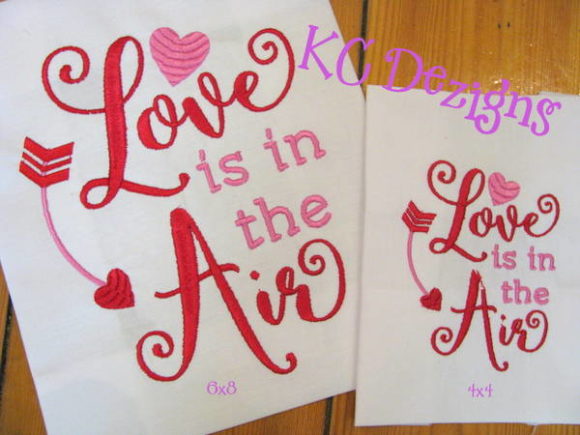
Love is in the Air Valentine: A Hands-On Embroidery Review
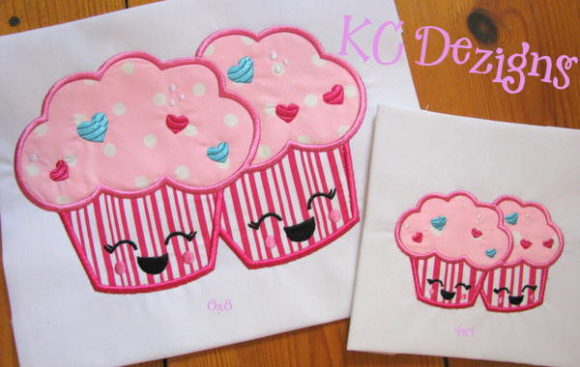
When I first opened the Love is in the Air Valentine machine embroidery design, I was looking for something that could carry a project without feeling overly sentimental or generic. Valentine-themed designs are everywhere, but the ones that work best in real embroidery situations are those that balance visual charm with practical stitch performance. This applique design has a certain lightness to it, a mood that feels romantic without being heavy-handed. The shape and layout are clean enough that they don't fight the fabric, and the applique construction gives it a dimensional quality that fill stitch alone often lacks.
As someone who tests embroidery files before they ever reach a customer-facing product, I look for three things immediately: whether the applique layers are logically ordered, whether the satin stitch coverage is reasonable, and whether the overall density will hold up on different fabric textures. Love is in the Air Valentine passes that first visual inspection. The design feels open and airy, which is exactly what I want for Valentine projects that need to feel thoughtful rather than cluttered.
First Impressions: Why This Applique Design Stands Out for Valentine Projects
The mood of Love is in the Air Valentine is soft and affectionate. It does not rely on heavy outlines or dense fill stitches to make its point. Instead, the applique approach lets the fabric choice become part of the design. That is a huge advantage for anyone running a craft business or selling personalized gifts. You can change the fabric used in the applique layer to match a specific sweater, a baby onesie, or a tote bag lining, and the design instantly feels custom. That kind of flexibility is gold for an Etsy seller or a small shop product line.
The visual personality is playful but refined. It is the kind of design that could land equally well on a preschooler's Valentine shirt or a boutique apron for a bakery. The applique shapes are not overly intricate, which means they digitize cleanly and stitch out without excessive trims or color changes. For a machine embroidery design in this category, that is a sign that the original digitizer understood real-world production.
Real Stitch Performance: Testing Love is in the Air Valentine on Custom Apparel
I ran Love is in the Air Valentine through a few test scenarios to see how it behaved on different substrates. The first test was on a midweight cotton sweatshirt. This is a common product for custom apparel orders, and it is also where many embroidery designs fail because the fabric stretches under the hoop. The applique layers stitched cleanly, and the satin stitch edges held their shape without pulling or distorting. I used a medium-weight cutaway stabilizer, which I recommend for any applique project on knit fabric.
Next, I tested it on a structured tote bag. Tote bags are a staple for handmade product lines, especially around Valentine season when people are looking for giftable items. The design sat well on the fabric surface, and the applique fabric I chose, a soft cotton with a subtle texture, blended nicely with the background. The stitch density was not so high that it stiffened the fabric, which is a common problem with heavily digitized designs. The Love is in the Air Valentine moved with the bag rather than fighting it.
I also tested it on a baby onesie. This is a tricky product category because the fabric is thin and the garment is small. The hoop size needs to be appropriate, and the design should not overwhelm the scale of the clothing. Love is in the Air Valentine worked well here because the applique shapes are proportioned to fit smaller spaces without feeling cramped. The running stitch details added a delicate touch that held up after a gentle wash cycle.
Where This Design Shines: From Tote Bags to Baby Gifts
In my experience, the best embroidery designs are the ones that earn their keep across multiple product categories. Love is in the Air Valentine is naturally suited for Valentine projects, but it also fits into wedding gifts, anniversary products, and even nursery decor if you choose the right fabric colors. The applique construction allows you to match the design to almost any fabric texture, from smooth cotton to soft fleece to structured linen.
For small business owners and handmade shop owners, this design is a strong candidate for:
- Custom sweatshirts and hoodies for Valentine events or family photos
- Personalized tote bags for gift shops or boutique branding
- Baby onesies and toddler shirts for Valentine-themed children's wear
- Kitchen towels and aprons for bakery or café merchandise
- Embroidered patches for jackets, backpacks, or denim
- Pillow covers and throw blankets for home decor product lines
- Holiday gifts for friends, family, or corporate clients
What makes this design work across all those categories is the applique structure. You can use a solid fabric for the applique layer and let the satin stitch provide the edge definition, or you can use a patterned fabric to add visual interest. That level of flexibility means you are not locked into a single look. It also means you can produce multiple variations of the same design without needing separate embroidery files.
Where to Exercise Caution: Fabric, Hoop Size, and Placement Tips
No embroidery design is perfect for every situation, and Love is in the Air Valentine has some limitations that are worth noting before you commit to a production run. The applique shapes are clean, but they do require a stable fabric base. I would avoid using this design on very thin or loosely woven fabrics without a heavy stabilizer. The satin stitch edges need a firm foundation to prevent puckering, especially on stretchy knits or single-knit jersey.
Dark fabric backgrounds can also be tricky if the applique fabric is light. Make sure you test the thread color contrast before stitching a final product. A white or pastel applique on a dark sweatshirt will pop, but the satin stitch edge needs to be opaque enough to cover the background fabric. If the design uses a lighter thread color, you may need to adjust the underlay or add a second pass on the satin stitch.
For curved surfaces like caps or hats, I would test this design carefully. Applique designs can be more challenging on curved surfaces because the fabric layers shift during hooping. If you are planning to stitch Love is in the Air Valentine on a cap, use a stiff stabilizer and consider a floating method to keep the fabric stable. The same caution applies to small hoop sizes. If your hoop is too small for the design, you risk distorting the applique layers or clipping the edges.
Products that will see frequent washing, like kitchen towels or baby blankets, require extra care. The applique fabric should be pre-washed to prevent shrinkage, and the thread should be a high-quality polyester or rayon that holds up to repeated laundering. I always recommend testing a finished product through at least one wash cycle before selling it to a customer.
How This Design Elevates Your Product Value and Customer Trust
From a business perspective, the Love is in the Air Valentine design adds real value to a handmade product line. Customers notice when an embroidery design feels intentional and well-executed. Clean applique edges, balanced stitch density, and appropriate fabric choices all contribute to a professional finish that builds trust. That trust translates into repeat purchases, word-of-mouth referrals, and stronger reviews for your Etsy shop or small business.
This design also lends itself well to printable mockups and digital product previews. If you are selling finished products online, you can create a mockup with the applique design in place and show potential buyers exactly what they will receive. That transparency reduces returns and increases buyer engagement. For creative entrepreneurs who sell digital embroidery files, the clean applique structure makes this design easy to preview and test across different fabric backgrounds.
Brand consistency is another factor. If you run a boutique or a handmade shop, the Love is in the Air Valentine design can become part of a seasonal collection. Pair it with complementary fonts or small accent designs to create a cohesive look across multiple products. Customers who buy a Valentine tote bag and a matching sweatshirt appreciate the coordination, and it builds recognition for your brand.
Practical Designer Notes Before You Stitch
Before you load Love is in the Air Valentine into your machine, I have a few practical recommendations based on my testing. These notes apply whether you are stitching for personal use, custom orders, or commercial embroidery production.
- Test the design on scrap fabric first. Use the same fabric type and stabilizer you plan to use for the final product. This is the only way to confirm stitch density, thread tension, and applique alignment.
- Check thread color contrast against both the background fabric and the applique fabric. What looks good on screen may not translate to real fabric. Stitch a small sample and evaluate it in natural light.
- Review the stitch density before hooping. If the design feels too dense for your fabric, consider using a lighter stabilizer or a thinner applique fabric. Dense stitch areas can cause fabric distortion if the stabilizer is not matched correctly.
- Confirm your hoop size before starting. The design should fit comfortably within the hoop without crowding the edges. If you are unsure, measure the design dimensions against your hoop's stitching area.
- Inspect small details like narrow applique sections or tight corners. These areas can sometimes be problematic if the fabric shifts during stitching. A small drop of temporary adhesive on the applique fabric can help hold it in place.
- Test the design in black and white mockups to see how it reads as a silhouette. This is especially useful if you are planning to stitch it on dark fabric or use it in a monochrome product line.
- Compare light and dark fabric backgrounds. The same design can look very different on a white onesie versus a black sweatshirt. Adjust your thread colors and fabric choices accordingly.
- Use proper stabilizer for the fabric type. Cutaway stabilizer is my default for applique designs on knit fabrics. Tearaway can work for wovens, but test first to avoid shifting.
- Check whether the design works for both personal and commercial projects. If you are selling finished items or digital products, confirm the licensing terms before using the design in your business.
- Keep a record of your test results. Note the hoop size, stabilizer, thread colors, and fabric type for each successful test. This saves time on future projects and helps you replicate consistent results.
One more thing I have learned from years of working with machine embroidery designs: always test the design in the exact product format you intend to sell. A design that works beautifully on a flat piece of fabric may behave differently on a finished garment with seams, zippers, or curved seams. The Love is in the Air Valentine design is forgiving enough to handle most standard products, but I still recommend a full prototype before running a batch.
For Etsy sellers and small shop owners, this design is a solid addition to your Valentine collection. It offers enough visual appeal to attract buyers, enough flexibility to suit multiple product types, and enough stitch quality to build confidence in your finished goods. The applique approach keeps the design feeling handmade and personal, which is exactly what customers are looking for when they shop for Valentine gifts and personalized items.
Whether you are stitching a custom tote bag for a client, a baby onesie for a family member, or a sweatshirt for your own boutique, Love is in the Air Valentine delivers the kind of clean, romantic embroidery that sells itself. Test it, tweak it, and let the fabric do the talking.