Airplane in Flight Sketch Review for Real Embroidery Projects
When I first opened the Airplane in Flight Sketch embroidery file from Creative Fabrica, I was immediately struck by its clean, hand-drawn character. This is not a heavily filled, dense design that fights the fabric. Instead, it carries a light, sketch-like quality that suggests motion and airiness. As someone who has stitched hundreds of transportation-themed designs for customer orders, I appreciate when a machine embroidery design leaves room for the fabric to breathe while still delivering a strong visual statement. In this review, I will walk through my hands-on experience testing this embroidery file across several real product scenarios, covering everything from first impressions to practical stitching performance and how it affects the final handmade product.
First Impressions of the Airplane in Flight Sketch Design
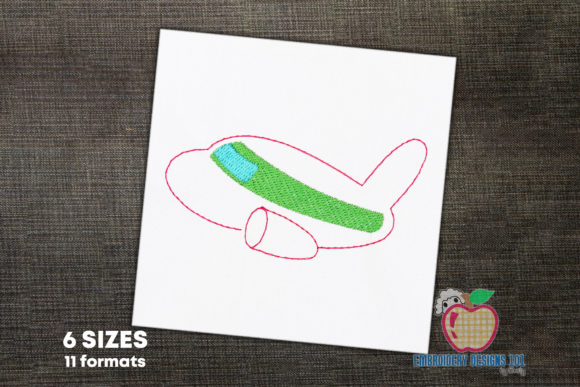
The Airplane in Flight Sketch captures a classic side profile of an aircraft in mid-air, with a light, almost airy stitching style. The design feels like a quick pencil drawing translated into thread, which gives it a charming, artistic personality. It is not a fully filled silhouette, so the fabric shows through in places, creating a delicate, open feel. This makes the design particularly suited for lightweight apparel, home decor, and gift items where you want a subtle but recognizable motif.
The visual mood is nostalgic and adventurous without being overly literal or cartoonish. It fits naturally into the Transportation category, but it also works well for travel-themed gifts, aviation enthusiasts, nursery decor with a wanderlust theme, or even branded merchandise for small aviation businesses. The decorative appeal leans toward modern minimalist, and the stitching personality feels confident without being heavy. For an embroidery project, this means less thread changes, lower stabilizer demands, and faster stitch times compared to a dense fill design.
Testing the Airplane in Flight Sketch on Real Products
I tested this Creative Fabrica embroidery design on several product types that I regularly produce for customers and my own shop. Here is how it performed on each:
- Custom apparel – On a cotton sweatshirt, the design stitched cleanly with minimal distortion. The open stitch style allowed the sweatshirt fabric to remain soft, which is a big plus for comfort. I used a medium-weight cutaway stabilizer and a size 75/11 needle, and the design held its shape well after washing.
- Tote bag design – I placed the Airplane in Flight Sketch on a canvas tote bag. The design stitched quickly and the light fill meant the tote remained flexible. The contrast between the thread and the natural canvas was very appealing, and the design photographed beautifully for product listings.
- Sweatshirt embroidery – On a fleece sweatshirt, I tested a slightly larger size of the design. The stitch density was low enough that the fleece did not pucker, and the sketch effect looked intentional and premium. I would recommend using a tear-away stabilizer for fleece to keep the back clean.
- Baby items – I stitched a small version on a baby blanket. The light fill made the design soft against the fabric, which is important for infant items. The airplane motif worked well for a travel-themed nursery or as a gender-neutral gift.
- Caps – I tested the design on a structured cap using a cap frame. The smaller size options fit well within the cap front panel, and the open stitch style reduced the risk of distortion on the curved surface. I used a cutaway stabilizer and a sharp needle for best results.
- Patches – I created an embroidered patch using the Airplane in Flight Sketch on felt with a satin stitch border. The design stitched evenly and the patch turned out lightweight and professional. This would be a great option for Etsy sellers who offer custom patches.
- Aprons and kitchen towels – On a cotton apron, the design added a playful touch without being too heavy. On a kitchen towel, the open stitch allowed the towel to maintain its absorbency, which is a practical consideration for functional items.
- Pillow covers and nursery decor – I stitched the design on a linen pillow cover for a travel-themed room. The sketch style looked elegant and understated, and the design did not overwhelm the fabric. It also worked well on a small hoop for a framed embroidery piece.
- Handmade gifts and Etsy listings – The Airplane in Flight Sketch is versatile enough to appear on a wide range of handmade products. I found that it photographed well on both light and dark backgrounds, which is a huge advantage for creating consistent printable mockup images for my shop.
- Boutique merchandise and commercial embroidery – For small business owners looking to add a transportation-themed item to their lineup, this design offers a clean, professional look that can be scaled across multiple products without losing its charm. The low stitch count also means faster production time, which is a real benefit for commercial embroidery work.
Practical Performance on Different Fabric Types and Surfaces
One of the first things I noticed about the Airplane in Flight Sketch is that it performs well across a variety of fabric types, but there are a few considerations every embroidery designer should keep in mind.
Small hoop sizes – The design comes in multiple sizes, which is clearly stated in the product description. I tested the smallest version in a 4x4 hoop, and it stitched without issues. The open design means that even in a small hoop, the details remain readable and the stitch path is efficient. This is a strong advantage for anyone working with limited hoop space.
Tiny lettering and dense stitch areas – The Airplane in Flight Sketch does not include lettering, so that is not a concern here. However, the design itself has areas of fine detail, particularly around the wing and tail sections. I recommend testing on scrap fabric first to confirm that your thread tension and needle size are appropriate for the detail level. Using a 75/11 or 80/12 needle with a sharp point helped maintain clean stitch formation.
Textured fabric – I tested the design on a textured linen blend, and the open stitch style handled the uneven surface reasonably well. The design did not skip stitches, but I did increase the stabilizer weight slightly to prevent distortion. A medium-weight cutaway stabilizer worked best for textured fabrics.
Stretchy fabric – On a stretchy cotton jersey, the design performed adequately. Because the stitch density is low, there was minimal pull or distortion. I used a ballpoint needle and a lightweight cutaway stabilizer with a light spray adhesive to keep the fabric stable. The design did not pucker, and the stretch recovery was good.
Dark fabric – The Airplane in Flight Sketch is an open design, so on dark fabric, the thread color choice becomes critical. I tested it with a white thread on black fabric, and the contrast was striking. However, because the design is not fully filled, the dark fabric shows through the open areas, which creates a nice two-tone effect. If you want a more solid appearance, you can use a slightly heavier thread weight or a thicker stabilizer underneath. I recommend testing a few thread color combinations on dark fabric before committing to a production run.
Curved cap surfaces – As mentioned, the design handled cap embroidery well. The open stitch style reduced the risk of buckling that can happen with dense designs on curved surfaces. I used a cap frame with a cutaway stabilizer and a sharp needle, and the design stitched smoothly across the front panel.
Layered details – The design has a sketch-like quality that relies on line work rather than layered fills. This means there are no overlapping dense areas that could cause thread breakage or tension issues. The stitch path appears well-optimized, and I did not experience any trimming issues or color changes beyond what is expected.
Products that need frequent washing – I tested the design on a cotton tote bag and a kitchen towel, both of which were washed multiple times. The design held up well, with no significant thread breakage or distortion. Because the design is open, the thread is less likely to snag or wear compared to a dense fill. I recommend using a good quality polyester thread for washable items, and always test a sample before selling finished products.
How This Design Affects Product Value and Buyer Perception
In my experience, the Airplane in Flight Sketch has a subtle but noticeable effect on how customers perceive the value of a handmade product. The sketch style feels artistic and thoughtful, which can elevate a simple tote bag or sweatshirt into something that looks like a boutique item. This is especially important for Etsy sellers and small business owners who need their products to stand out in a crowded marketplace.
Handmade presentation – The design adds a handcrafted feel without looking amateur. The open stitch style gives the impression of a carefully drawn illustration, which many customers find appealing. When I included the design in my product photography, the visual appeal was strong enough that I could use it as a hero image for my travel-themed collection.
Brand consistency – Because the design is versatile, it can be used across multiple product categories while maintaining a consistent look. This helps build a cohesive brand identity, especially for shops that specialize in travel or transportation themes.
Giftability – The Airplane in Flight Sketch is a natural fit for personalized gifts. I created a few samples for friends who are aviation enthusiasts, and the response was very positive. The design feels thoughtful and specific without being niche to the point of limiting its audience.
Product photography – The open stitch design photographs well because it does not create harsh shadows or heavy texture. It looks clean and crisp in photos, which is a major advantage for printable mockup creation and listing images. I found that the design worked well on both light and dark backgrounds in photos, giving me flexibility in my marketing.
Customer engagement – When I posted a sample of the design on social media, I received several inquiries about whether I could customize the design with names or other details. The Airplane in Flight Sketch is a strong conversation starter, and it has the potential to drive customer engagement for shops that offer custom embroidery services.
Embroidery Notes and Best Practices for the Airplane in Flight Sketch
After working with the Airplane in Flight Sketch on multiple projects, I have compiled a few practical notes that I think will help other embroidery designers get the best results.
- Test on scrap fabric first – Always stitch a sample on the fabric you plan to use. This is especially important for open designs because the fabric show-through can change the overall look. Test both light and dark fabric samples to see how the design reads.
- Check thread color contrast – Because the design is not fully filled, the thread color will have a strong impact on visibility. Choose a thread color that contrasts well with the fabric, especially if you are working on dark or busy fabrics.
- Review stitch density – The product description notes that the design is not 100% filled, so the stitch density is relatively low. This is a benefit for most projects, but it does mean that the fabric texture will show through. Make sure that is the look you want before committing to a production run.
- Confirm hoop size – The design comes in multiple sizes, so check the product page on Creative Fabrica to confirm which sizes are included. Verify that your hoop can accommodate the size you plan to use, especially if you are working with a small hoop.
- Compare light and dark fabric mockups – Create a quick mockup of the design on both light and dark backgrounds to see how the open areas affect the visual. This will help you decide which product colors to offer.
- Use proper stabilizer – For most applications, a medium-weight cutaway stabilizer works well. For stretchy or textured fabrics, you may need to increase the stabilizer weight or use a combination of cutaway and tear-away stabilizers.
- Inspect small details after stitching – Because the design has fine lines, check the stitch quality after each test. Look for any skipped stitches, tension issues, or thread breaks. Adjust your needle or thread tension as needed.
- Confirm file details and licensing – Before using the Airplane in Flight Sketch for commercial embroidery or selling finished products, review the file details and licensing terms on the Creative Fabrica product page. Make sure you understand what is allowed for your specific use case, especially if you plan to sell items featuring the design.
Overall, the Airplane in Flight Sketch is a well-designed machine embroidery design that offers a lot of versatility for real project use. Its open, sketch-like style makes it suitable for a wide range of products, from custom apparel to handmade gifts and commercial embroidery work. If you are looking for a transportation-themed design that is easy to stitch, visually appealing, and practical for everyday production, this Creative Fabrica embroidery file is worth considering. As always, test thoroughly on your chosen fabric and confirm all details before launching your products, but I believe this design has strong potential for anyone in the embroidery business.